A Complete Guide to Longevity, Safety, and the Best Replacement Products on Amazon
Every home relies on a variety of housewares—from cutting boards and cookware to cleaning tools. But a question every homeowner eventually asks is:
“How often should I replace housewares like cutting boards, cookware, or cleaning tools?”
It’s an important question because worn, damaged, or old housewares can affect your health, efficiency, and even your cooking results. The good news: with proper care and timely replacements, your kitchen, bathroom, and cleaning routines can stay safe, hygienic, and enjoyable.
In this comprehensive buyer-focused guide, we’ll explore:
✅ When and why to replace cutting boards, cookware, and cleaning tools
✅ Signs your housewares are past their prime
✅ Material-specific recommendations
✅ Cost vs. longevity considerations
✅ The best replacement housewares on Amazon for every category
✅ How to get the most value from your housewares
Let’s dig in.
🧠 Why Replacement Matters
Replacing worn housewares isn’t just about aesthetics—it’s about safety, hygiene, and performance.
Common risks of outdated housewares:
-
Cutting boards: Deep grooves harbor bacteria, which can contaminate food.
-
Cookware: Warped pans or scratched nonstick surfaces can cause uneven cooking or chemical exposure.
-
Cleaning tools: Old sponges, mops, and brushes can spread germs instead of cleaning them.
Replacing items at the right time ensures:
-
Food safety
-
Better cooking results
-
Healthier cleaning
-
Longer-lasting home investments
🔪 Cutting Boards: When to Replace
Cutting boards are among the most abused housewares in any kitchen. They see daily use, moisture, and knife damage.
🕒 Replacement Timeline
-
Plastic cutting boards: Every 1–3 years, or sooner if they develop deep grooves.
-
Wood cutting boards: Every 3–5 years, depending on use, care, and maintenance.
-
Bamboo cutting boards: Every 3–5 years, similar to wood boards.
⚠️ Signs It’s Time to Replace
-
Deep knife grooves that can’t be sanded out
-
Cracks or splits
-
Persistent odors
-
Warping
-
Mold or discoloration
🛒 Recommended Amazon Replacement Options

-
OXO Good Grips Cutting Board Set – Durable plastic, color-coded for food safety, dishwasher safe.
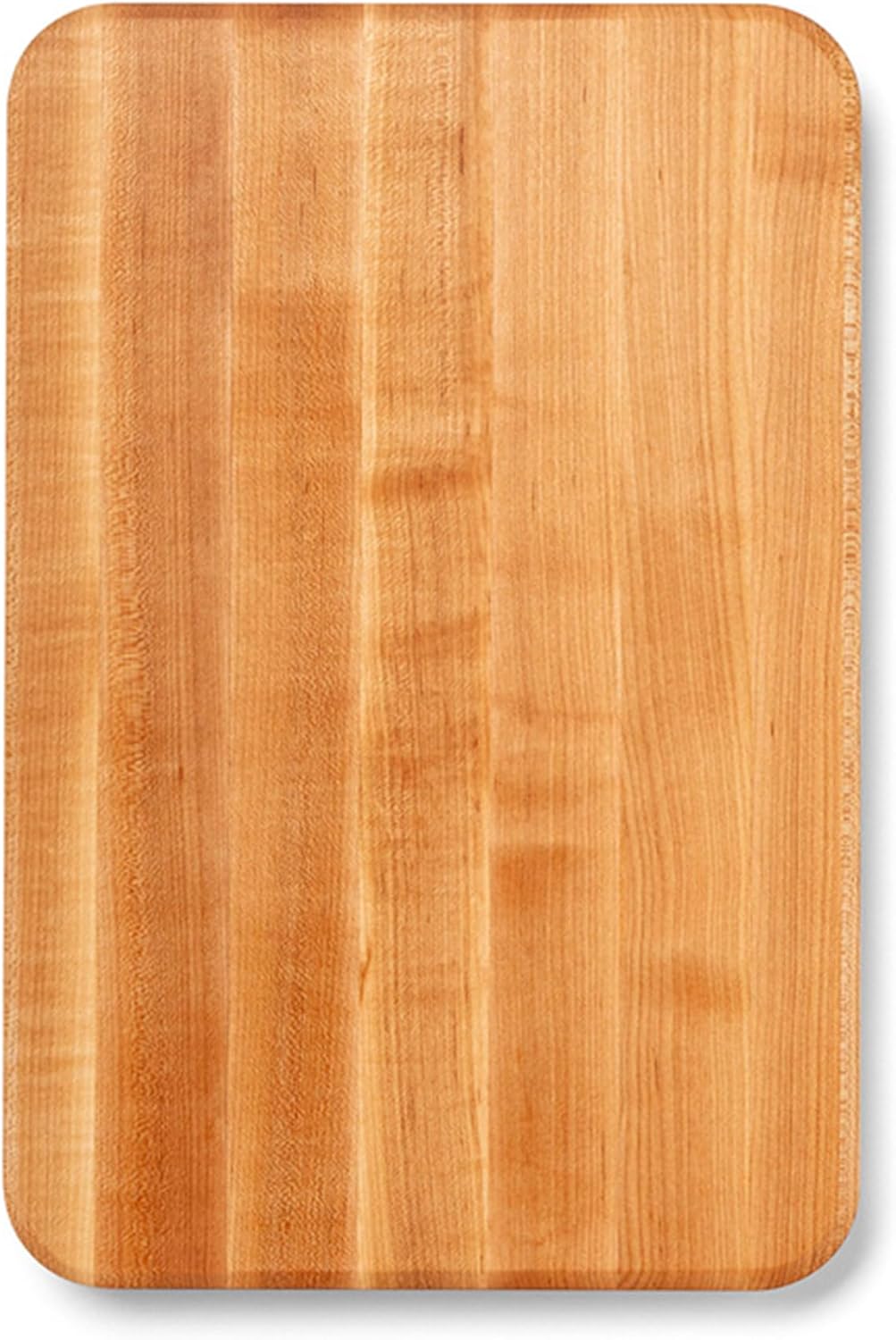
- John Boos Maple Wood Board – High-quality wood, great for longevity, can be oiled to extend life.

-
Greener Chef Bamboo Board – Eco-friendly, naturally antimicrobial, gentle on knives.
💡 Pro Tip: Rotate multiple cutting boards for different food types (meat vs veggies) to extend lifespan.
🍳 Cookware: How Long Is Too Long?
Cookware is a major investment, but even the best pans and pots wear out over time.
🕒 Replacement Timeline by Material
| Cookware Material | Average Lifespan | Replacement Tips |
|---|---|---|
| Nonstick | 2–5 years | Scratches, peeling, or flaking nonstick coating = replace immediately |
| Stainless Steel | 10+ years | Warping or pitting is a sign to replace |
| Cast Iron | Indefinite | Replace only if severely cracked or rusted |
| Hard-Anodized | 5–10 years | Scratches or coating wear indicates replacement |
| Ceramic | 3–5 years | Cracks or chipping = replace |
⚠️ Signs You Need New Cookware
-
Warping on stovetop
-
Uneven heating or sticking
-
Flaking coatings (nonstick, hard-anodized, ceramic)
-
Rust or corrosion
-
Persistent odors that washing doesn’t remove
🛒 Top Amazon Cookware Replacements

-
T-fal Nonstick Fry Pan Set – Durable, budget-friendly, replacement every 3–4 years.

-
All-Clad Stainless Steel Set – Long-lasting, even heating, professional quality.

-
Lodge Cast Iron Skillet – Virtually indestructible if maintained; replace only if cracked.

-
Calphalon Hard-Anodized Pots & Pans – Scratch-resistant coating, replacement every 5–10 years.
💡 Pro Tip: Avoid metal utensils on nonstick surfaces to maximize lifespan.
🧹 Cleaning Tools: Sponges, Brushes, Mops
Cleaning tools are surprisingly prone to bacterial buildup, yet often overlooked for replacement.
🕒 Replacement Timeline
-
Sponges: Every 1–2 weeks (or sooner if smelly)
-
Dish brushes: Every 2–3 months
-
Microfiber cloths: Every 3–6 months depending on wear
-
Mops: Every 3–6 months (replace mop heads more frequently)
-
Broom heads: Every 6–12 months
⚠️ Signs You Need to Replace Cleaning Tools
-
Lingering odor after cleaning
-
Fraying or broken bristles
-
Mold or discoloration
-
Ineffective cleaning
-
Disintegrating fibers
🛒 Recommended Amazon Cleaning Tool Replacements

-
Scotch-Brite Non-Scratch Scrub Sponge – Durable, color-coded for hygiene.

-
OXO Good Grips Dish Brush – Replaceable head, ergonomic handle.

-
Amazon Basics Microfiber Cleaning Cloths – Long-lasting, washable.

-
O-Cedar EasyWring Spin Mop – Mop head replacement available, extends life.
-
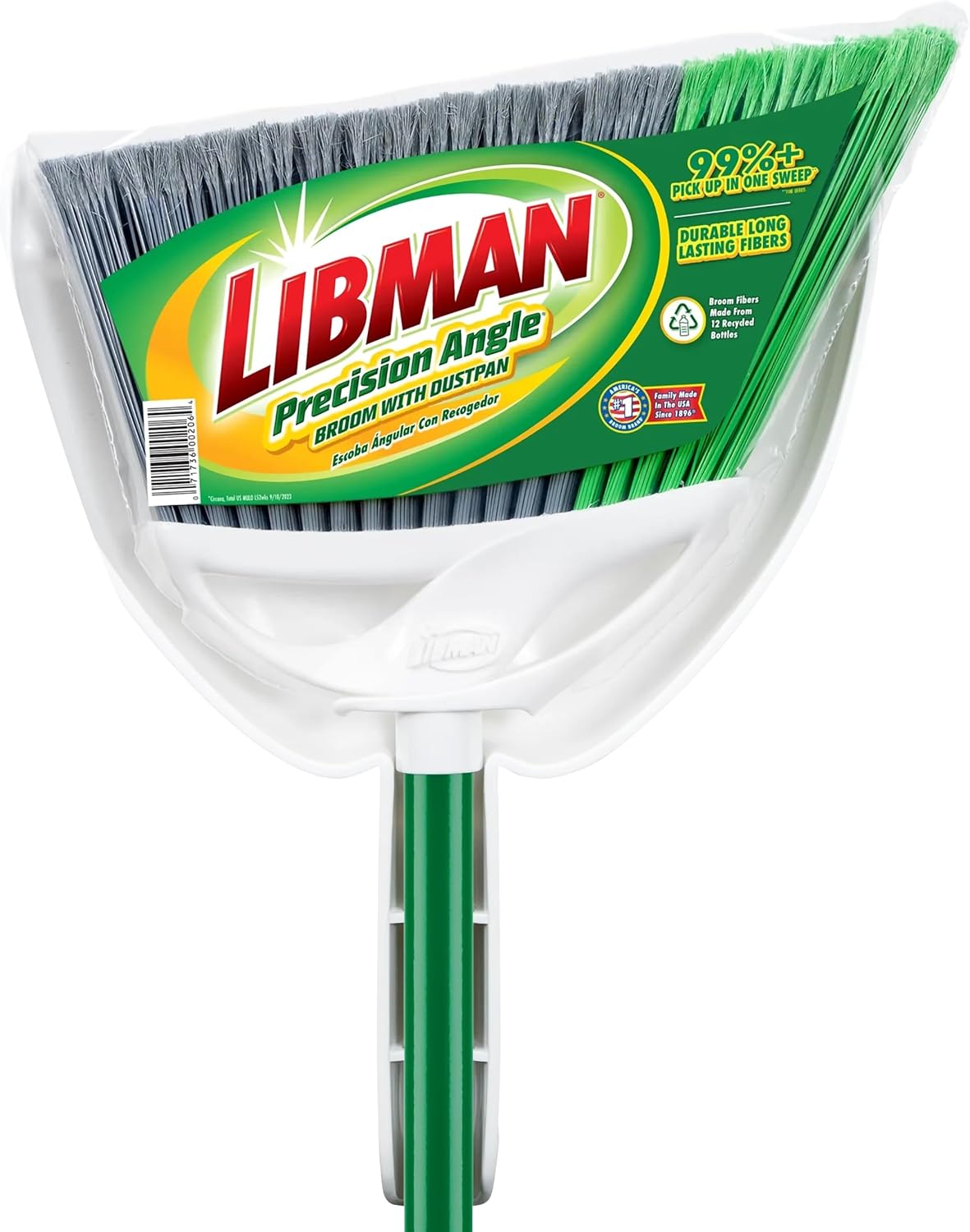
Libman Broom Set – Durable bristles, budget-friendly replacement.
💡 Pro Tip: Always rinse and wring out sponges and mop heads thoroughly after use to extend life slightly.
🧴 Small Housewares: Utensils, Knives, and Gadgets
Even small items eventually need replacing.
-
Knives: Replace if chipped, bent, or can’t be sharpened effectively. Professional sharpening can extend life, but beyond 10–15 years, replacement may be safer.
-
Plastic utensils: Replace if melted, warped, or scratched.
-
Measuring cups & spoons: Replace if markings fade.
-
Electric appliances: Replace if heating elements, motors, or safety features fail.
🛒 Amazon Replacements for Small Housewares

-
OXO Good Grips 4-Piece Stainless Steel Measuring Spoon Set

-
Cuisinart Knife Block Set

-
OXO Good Grips Nylon Utensil Set
💡 Pro Tip: Choose materials like stainless steel, bamboo, or silicone for longevity and safety.
🏷️ How to Maximize Houseware Lifespan
-
Proper Cleaning – Follow manufacturer instructions. Avoid harsh chemicals on wood or nonstick surfaces.
-
Avoid Excess Heat – Nonstick and plastic items degrade faster at high temperatures.
-
Store Properly – Avoid stacking that scratches surfaces.
-
Rotate Use – Spread wear among multiple items.
-
Use the Right Tools – Avoid metal utensils on nonstick, use brushes for tough spots instead of scrubbing with abrasive materials.
-
Regular Inspection – Check for cracks, chips, fraying, and warping weekly.
💰 Cost vs. Longevity: When to Replace
-
Sometimes replacing is cheaper than maintaining. Example: a 3-year-old nonstick pan that flakes can ruin meals and is safer replaced.
-
Investing in quality items initially (cast iron, stainless steel, OXO, Lodge, All-Clad) often reduces long-term replacement costs.
-
For cleaning tools, inexpensive sponges and brushes are safer replaced frequently rather than risking bacterial contamination.
🛒 Amazon Buying Tips
When shopping for replacements:
-
Read reviews to verify durability
-
Check warranty info for expensive cookware
-
Compare replacement parts availability (mop heads, brush heads, blender jars)
-
Choose materials compatible with your lifestyle: dishwasher-safe, nonstick, low-maintenance
-
Look for multi-piece sets for variety and rotation
⚠️ Safety Considerations
Replacing worn housewares isn’t just a convenience—it can prevent:
-
Foodborne illnesses
-
Chemical ingestion from flaking nonstick coatings
-
Injuries from cracked boards or knives
-
Spread of germs via contaminated cleaning tools
🏁 Final Verdict: Replacement Guidelines
Cutting Boards:
-
Plastic: 1–3 years
-
Wood/Bamboo: 3–5 years
-
Signs: deep grooves, odors, cracks
Cookware:
-
Nonstick: 2–5 years
-
Stainless Steel: 10+ years
-
Cast Iron: indefinite
-
Hard-Anodized: 5–10 years
-
Signs: warping, flaking, rust, uneven heating
Cleaning Tools:
-
Sponges: 1–2 weeks
-
Dish Brushes: 2–3 months
-
Microfiber Cloths: 3–6 months
-
Mops: 3–6 months
-
Signs: odor, fraying, mold, ineffective cleaning
Replacing worn housewares ensures safety, hygiene, and a more efficient home. Investing in quality replacements from Amazon—OXO, Lodge, T-fal, All-Clad, and similar brands—offers the best combination of longevity and value.
💡 Pro Tip: Combine regular inspection, proper care, and timely replacement to avoid surprises and keep your kitchen and home running smoothly.