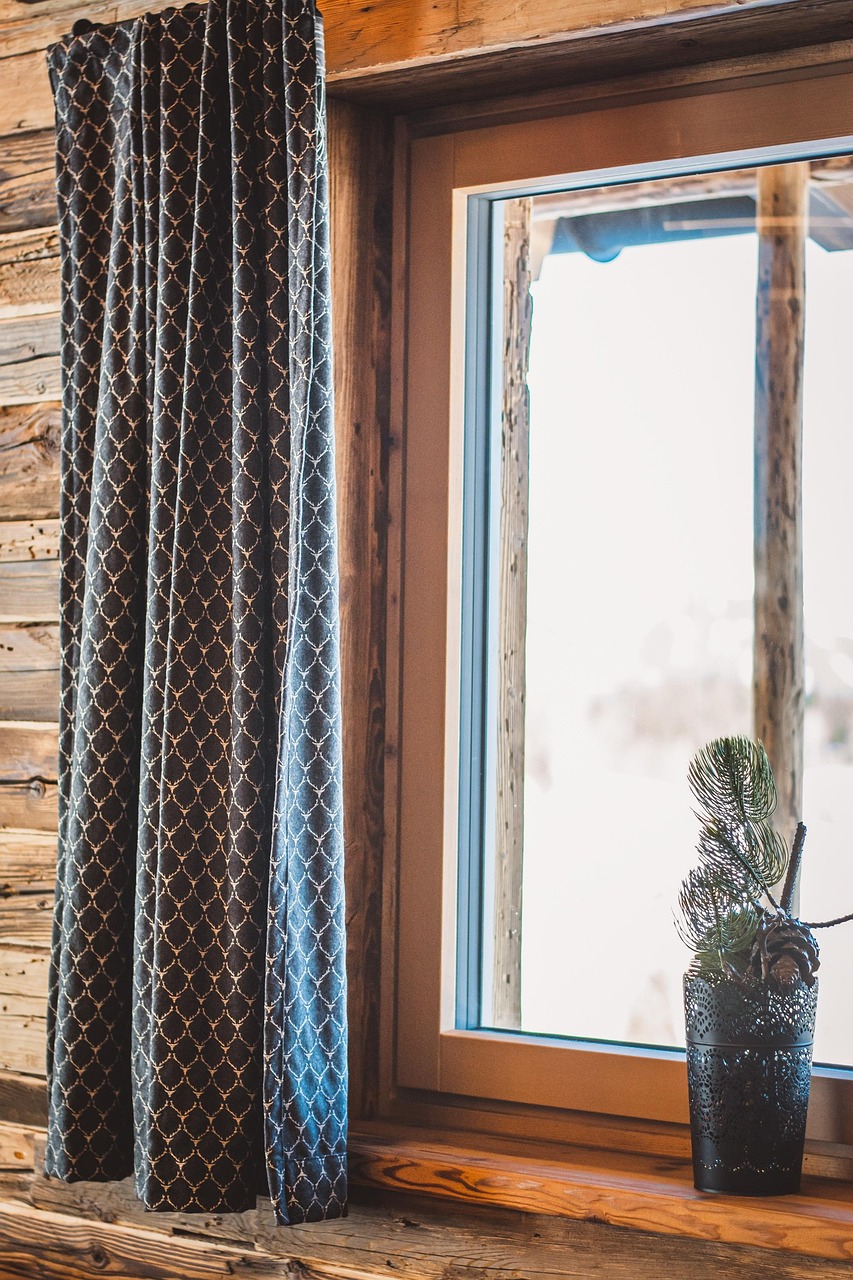
Selecting the right window treatments is a balancing act of aesthetics and architecture, but the most overlooked technical specification is often the maintenance cycle. If you are managing a high-activity household—complete with pets, seasonal allergies, or a busy kitchen—the “cleanability” of your fabric is a non-negotiable metric. Dust, dander, and kitchen grease are attracted to vertical surfaces, making curtains a primary filter for your home’s air. Understanding which curtain materials are easiest to clean will make this choice even more crucial.
When choosing window treatments, consider which curtain materials are easiest to clean for your lifestyle.
Understanding which curtain materials are easiest to clean is essential for maintaining a fresh home atmosphere. Knowing which curtain materials are easiest to clean helps you make informed decisions for your living spaces.
This guide provides a technical audit of the most popular curtain textiles available on Amazon, indexed by their Ease-of-Care (EoC) score. We evaluate which materials tolerate machine agitation, which repel environmental debris, and which offer the best long-term durability for a low-friction lifestyle.
Every homeowner should ask themselves which curtain materials are easiest to clean based on their specific needs.
📌 The ROI of Low-Maintenance Textiles
Exploring which curtain materials are easiest to clean can simplify your choices.
Before selecting a fabric, it is essential to understand why “washability” is a strategic home investment:
-
Allergen Mitigation: Curtains act as a “dust trap.” Choosing fabrics that survive frequent hot-water cycles is a proactive health measure for allergy sufferers.
-
Fiber Integrity: Natural fibers like silk or linen can degrade, shrink, or “yellow” when exposed to standard detergents and UV light.
-
Operational Overhead: Dry-clean-only drapes add a recurring cost and logistical hurdle that often leads to neglected maintenance.
To maintain your home, it’s vital to identify which curtain materials are easiest to clean.
-
Stain Resilience: High-performance synthetics are engineered with non-porous fibers that prevent odors and spills from “locking” into the weave.
🧼 The “Practical Gear Lab” Cleanability Scale
We have ranked the most common curtain materials from highest to lowest maintenance efficiency. Use this index to match a fabric to your room’s specific “environmental load.”
Let’s delve into which curtain materials are easiest to clean for a hassle-free experience.
To simplify your selection process, we will discuss which curtain materials are easiest to clean, ensuring your living space remains fresh and inviting.
In this article, we will explore which curtain materials are easiest to clean and how they can elevate your home’s cleanliness.
Choosing the right fabric starts with knowing which curtain materials are easiest to clean.We will highlight which curtain materials are easiest to clean to help you make an informed decision.Identifying which curtain materials are easiest to clean can save you time and effort.
| Rank | Fabric Architecture | EoC Score | The Technical Verdict |
| 🥇 1 | Polyester & Blends | ⭐⭐⭐⭐⭐ | High-durability, machine-washable, wrinkle-resistant. |
| 🥈 2 | High-Density Microfiber | ⭐⭐⭐⭐☆ | Naturally stain-repellent and low-static (repels pet hair). |
| 🥉 3 | Cotton / Poly-Cotton | ⭐⭐⭐☆☆ | Breathable and washable, but prone to shrinking and fading. |
| 📊 4 | Linen Blends | ⭐⭐☆☆☆ | Aesthetic-focused; prone to severe wrinkling and fiber stress. |
| 📉 5 | Velvet & Heavy Suede | ⭐☆☆☆☆ | “Dust magnets”; typically require professional dry cleaning. |
| 🚫 6 | Pure Silk & Sheer Lace | ⭐☆☆☆☆ | Highly delicate; prone to water spotting and UV damage. |
🥇 1. Polyester: The High-Performance Workhorse
Polyester remains the gold standard for cleanable housewares. Unlike natural organic fibers, polyester is a synthetic polymer that is inherently hydrophobic, meaning it resists absorbing moisture and water-based stains.
The best way to enhance your home is by knowing which curtain materials are easiest to clean.
Why Polyester Wins the Cleanability Audit:
-
Dimensional Stability: It resists shrinking and stretching, even after repeated agitation in a washing machine.
-
Wrinkle Recovery: The “memory” of the fiber means it often looks crisp straight from a low-heat dryer, eliminating the need for a steamer.
-
UV Resistance: It maintains color fastness better than cotton, preventing that “washed-out” look after a season in a sunny window.
One of the core questions is which curtain materials are easiest to clean for busy households.
-
Debris Repulsion: The smooth surface of the fiber makes it difficult for pet hair and dust to “hook” into the weave.
Maintenance Protocol:
Consider which curtain materials are easiest to clean when selecting for high-traffic areas.
-
Wash: Machine wash on a “Gentle” or “Permanent Press” cycle.
-
Temperature: Use cool or lukewarm water to preserve the fiber’s chemical bonds.
-
Drying: Tumble-dry on low heat. Remove promptly to utilize the fabric’s natural wrinkle resistance.
🛍 Top-Rated Polyester Picks on Amazon:
When shopping, ask yourself which curtain materials are easiest to clean to maintain a tidy home.
-
NICETOWN Blackout Curtains: The industry benchmark for durable, triple-weave polyester that offers thermal insulation and 100% machine-washable convenience.
-
Deconovo Decorative Room Darkening: A high-utility choice that combines a silky hand-feel with heavy-duty cleaning resilience.
Are you outfitting a high-traffic zone like a living room or kitchen, or are you looking for a lower-maintenance solution for a bedroom?
The right choice depends on understanding which curtain materials are easiest to clean.

✅ Example 1: “Amazon Basics Polyester Blackout Curtains”
-
Best for: Bedrooms, durability, daily living
-
Why we like it: Thick yet machine washable; blocks light and repels dust easily
-
Cleaning: Just toss in washer (cold), hang dry

✅ Example 2: “NICETOWN Polyester Curtain Panels”
-
Best for: Living rooms, energy saving
-
Why we like it: Excellent quality at affordable price; stain-resistant finish
-
Cleaning: Machine wash cold; no shrinkage reported
📊 Pros & Cons
Pros
✔️ Machine washable
✔️ Affordable
✔️ Resists wrinkles
✔️ Dries quickly
Cons
❌ Can look synthetic
❌ Not as breathable as natural fibers
🟦 2. Microfiber Curtains: The High-Density Stain Repellent
Microfiber is engineered from ultra-fine synthetic filaments—thinner than a strand of silk—to create a high-density weave that excels at environmental resistance. While closely related to polyester, the unique structure of microfiber provides an even more robust barrier against daily wear.
⭐ The Engineering Edge of Microfiber
Remember that knowing which curtain materials are easiest to clean can directly impact your lifestyle.
The “micro” fibers in this textile are woven so tightly that they create a virtually non-porous surface. For a high-functioning home, this technical density offers three distinct advantages:
-
Superior Particulate Rejection: Because the gaps between fibers are microscopic, dust, pollen, and pet dander struggle to “hook” into the weave, making them easier to vacuum away.
-
Hydrophobic Properties: Liquids tend to bead on the surface rather than saturating the core of the fiber, allowing for a higher success rate with immediate spot-cleaning.
-
Low-Static Finish: Unlike some synthetic blends, high-quality microfiber is treated to reduce static electricity, significantly lowering its “magnet effect” for pet hair.
🧼 Maintenance & Care Protocols
To maintain the structural integrity and stain-repellent finish of microfiber, follow these specific laundering standards:
-
Thermal Control: Always utilize a Cold Water setting. High temperatures can “melt” or fuse the micro-filaments, leading to a loss of softness.
-
Agitation Level: Select a Gentle or Delicates cycle to prevent fiber stress.
-
Drying Strategy: Air-dry or Tumble-dry on Extra-Low. Microfiber dries exceptionally fast; avoid over-drying, which can re-introduce static and attract dust.
Are you prioritizing a fabric that is easy to spot-clean for a kitchen or dining area, or is your main goal to reduce the “pet hair load” in your living room?
🛍 Curtain Picks (Microfiber)

✅ Example 1: “Deconovo Microfiber Curtains”
-
Best for: Allergy sufferers
-
Why we like it: Great dust resistance; soft texture
-
Cleaning: Machine wash + hang dry

✅ Example 2: “RYB HOME Microfiber Panels”
-
Best for: Everyday living
-
Why we like it: Excellent stain resistance; minimal wrinkling
Ultimately, the focus on which curtain materials are easiest to clean will guide your selections.
-
Cleaning: Machine washable; looks good right off the rod
📊 Pros & Cons
Pros
✔️ Stain resistant
✔️ Easy cleaning
✔️ Soft feel
✔️ Resists pet hair
Cons
❌ Synthetic look
❌ Not very high-end appearance
🟨 3. Cotton Blend Curtains: The Hybrid Aesthetic
Choosing wisely means being informed about which curtain materials are easiest to clean.
Cotton blends are engineered by weaving natural cotton fibers with high-performance synthetics like polyester. This hybrid architecture is designed to capture the matte, organic texture of a natural textile while incorporating the structural stability of a synthetic.
⭐ The Balance of Style and Utility
While 100% cotton is prone to severe shrinking and environmental degradation, a blend (typically 60% Cotton / 40% Polyester) offers a “middle ground” for everyday use. For a high-functioning home, this material provides several technical advantages:
-
Enhanced Breathability: The natural cotton content allows for better airflow than pure synthetics, reducing the “stale air” often trapped behind heavy drapes.
-
Refined Hand-Feel: These curtains lack the “plastic” sheen sometimes found in budget polyesters, offering a softer, more premium drape.
-
Improved Dye Retention: The synthetic component helps “lock in” colors, preventing the rapid UV fading common in pure organic fibers.
🧼 Technical Maintenance Protocols
Because of the natural fiber content, cotton blends require more precise laundering than pure synthetics to prevent “fiber shock”:
-
Thermal Management: Always utilize a Cold Water setting. Cotton fibers naturally contract in heat; cold water is the only way to guarantee your curtains don’t lose their length.
-
Agitation Logic: Use a Gentle or Delicates cycle. High-speed spinning can cause the cotton fibers to fray or “fuzz,” leading to a weathered appearance over time.
-
Drying Strategy: Hang-dry only. Avoid the dryer entirely. The weight of the damp curtains acting against gravity is the most effective way to “press” the cotton fibers and eliminate wrinkles naturally.
Are you looking for a more “organic” look for a bedroom, or is your primary goal to find a fabric that survives frequent cycles in a high-traffic family room?
🛍 Curtain Picks (Cotton Blend)

Each fabric’s attributes will clarify which curtain materials are easiest to clean.
✅ Example: “Lush Decor Cotton Blend Curtains”
-
Best for: Casual spaces
-
Why we like it: Textured look; good balance of natural feel + washability
-
Cleaning: Cold wash + hang dry
📊 Pros & Cons
Pros
✔️ More natural look
✔️ Better texture
✔️ Machine washable
Cons
❌ Can shrink if washed hot
❌ Wrinkles more than polyester
🟫 4. Linen Blend Curtains: The High-Aesthetic Compromise
Linen is prized in interior design for its distinctive slubbed texture, exceptional breathability, and “organic-chic” drape. However, pure 100% linen is technically volatile—it is highly prone to severe shrinking, UV degradation, and permanent “set” wrinkles. A Linen-Polyester Blend is the engineered solution, designed to provide the artisanal look of flax with the structural reinforcement of a synthetic.
⭐ The Architectural Appeal vs. Maintenance Load
In a high-functioning home, linen blends offer a sophisticated visual profile but require a higher “Ease-of-Care” (EoC) commitment than pure synthetics.
-
Dimensional Volatility: Even in a blend, the natural linen fibers remain sensitive to moisture. Hot water can cause “fiber shock,” leading to uneven shrinking or a distorted hemline.
-
Structural Slubbing: The characteristic “knots” in the fabric are part of its beauty but can be weakened by aggressive mechanical agitation.
-
Atmospheric Interaction: Linen is highly breathable, which prevents mold in humid environments, but its porous nature means it can absorb household odors (like cooking grease) more readily than polyester.
🧼 Technical Maintenance Protocols
To preserve the “heirloom” quality of a linen blend, you must avoid high-heat and high-friction environments:
-
Agitation Standard: Utilize a Delicates or Hand-Wash cycle only. If your machine allows, reduce the spin speed to the lowest setting to prevent deep-set mechanical wrinkles.
-
Thermal Logic: Use Cold Water exclusively. This is the only way to safeguard the natural flax fibers from contracting.
-
Drying Strategy: Gravity-Pressing is mandatory. Do not utilize a mechanical dryer. Hang the curtains while they are significantly damp; the vertical tension of the water-weighted fabric is the most effective “natural iron” for linen blends.
Are you aiming for a “relaxed” coastal look for a bedroom, or is this for a high-traffic area where a more durable synthetic might be safer?
🛍 Curtain Picks (Linen Blend)

✅ Example 1: “MYSKY HOME Linen Curtains”
-
Best for: Modern rustic décor
-
Why we like it: Light, airy look
-
Cleaning: Gentle wash; avoid tumble drying

✅ Example 2: “jinchan Linen Curtains”
-
Best for: Living Room, Bedroom
-
Why we like it: Brings a rich linen texture look, easily blendS with rustic and modern theme.
-
Cleaning: Machine washable in cold water with mild detergent
📊 Pros & Cons
In summary, knowing which curtain materials are easiest to clean enhances your home comfort.
Pros
✔️ Very stylish
✔️ Natural texture
Cons
❌ More wrinkles
❌ Requires care during washing
❌ Usually needs ironing
🟥 5. Velvet Curtains: High-Mass Luxury with High Maintenance
Velvet is the architectural “heavyweight” of window treatments, prized for its superior light-blocking capabilities, acoustic dampening, and deep, light-absorbing pile. However, from a “Practical Gear Lab” perspective, velvet is one of the most technically demanding textiles to maintain.
⭐ The Engineering Challenges of Velvet
The characteristic “sheen” of velvet comes from its dense vertical pile. In a high-activity household, this structure presents three primary maintenance hurdles:
-
Particulate Trapping: The upright fibers act as a high-density “dust magnet,” capturing pet dander and airborne pollutants more effectively than flat-weave fabrics.
-
Structural “Crushing”: Mechanical agitation (like a washing machine) or aggressive scrubbing can permanently displace or “crush” the pile, leading to unsightly bald spots or a loss of luster.
-
Thermal & Weight Risk: When saturated with water, velvet becomes exceptionally heavy, which can stress curtain rods and lead to significant fiber distortion if not dried professionally.
🧼 Technical Maintenance Protocols
Because of its sensitivity to moisture and friction, velvet requires a “preventative” rather than “reactive” cleaning strategy:
-
Atmospheric Maintenance: Use a vacuum with a soft brush attachment weekly. This removes settled dust before it can become “pressed” into the pile by sunlight or handling.
-
Spot-Cleaning Logic: Never rub velvet. If a spill occurs, blot gently with a dry, lint-free cloth. To restore the texture, use a specialized velvet brush in the direction of the nap.
-
Professional Standards: For a full refresh, Dry Cleaning is mandatory. This is the only way to sanitize the fabric without risking the structural “set” of the pile.
Are you utilizing velvet for its acoustic/blackout properties in a bedroom, or is this a stylistic choice for a formal living area?
🛍 Curtain Picks (Velvet)

✅ Example: “Deconovo Velvet Blackout Curtains”
-
Best for: Bedrooms and formal rooms
-
Why we like it: Excellent blackout; rich texture
-
Cleaning: Dry clean only
📊 Pros & Cons
Pros
✔️ Premium look
✔️ Great for insulation and sound dampening
Cons
❌ Dry clean only (expensive)
❌ Heavy and hard to wash
🟪 6. Silk Curtains: High-Value Elegance with Maximum Fragility
Silk represents the “high-performance” peak of natural fibers in terms of luster and tensile strength, but from a Practical Gear Lab maintenance perspective, it is the most volatile textile on the market. Its protein-based structure is exceptionally sensitive to environmental stressors, making it a high-maintenance architectural element.
Evaluating your options should always involve which curtain materials are easiest to clean.
⭐ The Engineering Challenges of Silk
Silk’s signature shimmer comes from its triangular prism-like fiber structure, which allows it to refract light. However, this same structure presents three critical maintenance hurdles for a modern home:
-
Molecular Sensitivity to Moisture: Water is a solvent for silk. Standard laundering can cause “water spotting,” permanent fiber contraction (shrinkage), and a total loss of the fabric’s natural sheen.
-
UV Photodegradation: Silk is highly susceptible to “sun rot.” Without a heavy-duty protective lining, the fibers will become brittle and disintegrate over time when exposed to direct southern or western sunlight.
-
Abrasive Vulnerability: The delicate filaments can easily “snag” or pill if they come into contact with rough surfaces, pet claws, or aggressive vacuum attachments.
🧼 Technical Maintenance Protocols
Because of its organic complexity, silk requires a “hands-off” preservation strategy rather than a standard cleaning routine:
-
Professional Standards Only: Dry cleaning is mandatory. This is the only safe method to sanitize the fabric using non-aqueous solvents that preserve the fiber’s integrity.
-
Atmospheric Maintenance: Use a low-suction handheld vacuum or a soft-bristled brush to gently lift surface dust. Avoid any contact with liquids, including “DIY” spot cleaners.
-
Strategic Placement: Silk should only be deployed in low-traffic, shaded areas (like a formal dining room) and must be paired with a high-quality blackout lining to buffer it from UV damage.
Are you considering silk for its aesthetic “drape” in a formal setting, or would a high-sheen polyester mimic the look with significantly less maintenance risk?
🛍 Curtain Picks (Silk or Silk-Look)
In conclusion, identifying which curtain materials are easiest to clean is critical for smart buying.

✅ Example: “HOMEIDEAS 2 Panels Beige Faux Silk Blackout Luxury Curtains”
- Best for: Bedrooms and formal rooms
-
Why we like it: Excellent blackout; rich texture
-
Cleaning: Machine wash cold. Delicate cycle with mild detergent.
Many “silk” curtains are actually polyester that looks like silk — which are easier to clean. But pure silk is nearly impossible to machine wash.
Finally, the knowledge of which curtain materials are easiest to clean will serve you well.
Ultimately, the question of which curtain materials are easiest to clean helps guide many purchases.
Ultimately, knowing which curtain materials are easiest to clean can significantly affect your experience in maintaining a clean and stylish home.
📊 Pros & Cons
Pros
✔️ Elegant sheen
✔️ Luxurious feel
Cons
❌ Dry clean only
❌ Fades easily
❌ Not recommended for high-traffic homes
🧠 Technical Comparison: Textile Resilience & Maintenance
Understanding which curtain materials are easiest to clean is essential for any homeowner.
When auditing window treatments, the “Ease-of-Care” (EoC) rating is the most critical metric for long-term satisfaction. Use this data-driven breakdown to identify which architecture fits your maintenance threshold.
Ultimately, your choice on curtains should reflect which curtain materials are easiest to clean.
| Fabric Architecture | Machine Washable | Dimensional Stability | Wrinkle Recovery | Debris Repulsion | Price-to-Utility |
| Polyester | ✅ Yes | ⭐⭐⭐⭐⭐ | ⭐⭐⭐⭐⭐ | ⭐⭐⭐⭐⭐ | ⭐⭐⭐⭐⭐ |
| High-Density Microfiber | ✅ Yes | ⭐⭐⭐⭐☆ | ⭐⭐⭐⭐☆ | ⭐⭐⭐⭐⭐ | ⭐⭐⭐⭐☆ |
| Cotton / Poly-Cotton | ✅ Yes | ⭐⭐⭐☆☆ | ⭐⭐⭐☆☆ | ⭐⭐⭐☆☆ | ⭐⭐⭐⭐☆ |
| Linen Blends | ⚠️ Gentle | ⭐⭐☆☆☆ | ⭐☆☆☆☆ | ⭐⭐☆☆☆ | ⭐⭐⭐☆☆ |
| Velvet / Suede | ❌ No | ⭐☆☆☆☆ | ⭐⭐⭐☆☆ | ⭐☆☆☆☆ | ⭐⭐☆☆☆ |
| Pure Silk | ❌ No | ⭐☆☆☆☆ | ⭐☆☆☆☆ | ⭐☆☆☆☆ | ⭐☆☆☆☆ |
🧽 The “Practical Gear Lab” Pre-Purchase Audit
In essence, knowing which curtain materials are easiest to clean can simplify your life.
Before committing to a set of drapes, apply these five diagnostic questions to ensure they won’t become a logistical burden:
-
✅ 1. Is the Fiber Hydrophobic? Synthetics like polyester resist water-based stains, making them fundamentally easier to spot-clean.
-
✅ 2. Is the Weave Pet-Friendly? Tight weaves (microfiber) prevent pet claws from snagging and hair from “hooking” into the fabric.
-
✅ 3. What is the Wrinkle Recovery Speed? Blended fabrics often “hang out” their own wrinkles via gravity, saving you hours of steaming.
-
✅ 4. Is the Color UV-Stable? Natural fibers like cotton fade quickly in direct sun; look for “Solution-Dyed” synthetics for south-facing windows.
-
✅ 5. What is the “True Cost” of Maintenance? Factor in the time or expense of dry cleaning for delicate luxury fabrics like velvet or silk.
🏠 Room-by-Room Specification Guide
The “environmental load” varies by room. Match your fabric to the specific challenges of your living zones:
🛋️ The High-Traffic Living Room
-
Primary Stressors: Dust, sunlight, and frequent handling.
-
Best Specification: Polyester or Heavy Microfiber. These offer the best UV resistance and can be vacuumed weekly without damaging the fibers.
🛏️ The Bedroom (The Sanctuary)
-
Primary Stressors: Dust mites and light leakage.
-
Best Specification: Triple-Weave Polyester Blackout. These provide clinical-grade light blocking and can be laundered frequently to mitigate nighttime allergies.
🧒 The Active Kid’s Room
-
Primary Stressors: Spills, markers, and high-impact play.
-
Best Specification: 100% Polyester. It is the most resilient to aggressive spot-cleaning and frequent high-agitation wash cycles.
🐶 The Pet-Centric Zone
-
Primary Stressors: Dander, “wet dog” odors, and fur.
-
Best Specification: Microfiber. The low-static nature of the fabric naturally repels hair rather than trapping it like a magnet.
✂️ Operational Maintenance Protocols
With this in mind, reflect on which curtain materials are easiest to clean for your lifestyle.
To maximize the lifespan of your textiles, follow these professional care standards:
Routine Maintenance
-
The Vacuum Strategy: Use a soft brush attachment weekly to remove “settled” dust before it embeds in the weave.
-
The “Shake-Out”: Quarterly, take curtains outdoors for a vigorous shake to remove loose particulate that vacuums might miss.
Laundering Standards
-
Check the Integrity: Always verify the care label for “Dry Clean Only” warnings.
-
Temperature Logic: Use Cold Water to preserve chemical dyes and prevent fiber shrinkage.
-
Drying Strategy: Hang drapes while they are 90% dry. The weight of the damp fabric acts as a natural press, eliminating most wrinkles.
🧩 Final Verdict: The Leading Textiles for 2026
After auditing the primary materials available on Amazon, the winners for ease-of-care are clear:
-
🥇 The Gold Standard: Polyester. Unbeatable for machine-washability, wrinkle resistance, and total cost of ownership.
-
🥈 The Specialist: Microfiber. The superior choice for pet owners and those focused on stain repulsion.
-
🥉 The Aesthetic Compromise: Cotton Blends. Provides the “natural” look of organic fiber with the added structural stability of synthetic.
🚫 The High-Maintenance “Red List”: Silk, Velvet, and 100% Linen. These are beautiful architectural elements, but they are not recommended for households prioritizing quick and frequent cleaning.
Are you outfitting a room that receives heavy direct sunlight, or is your primary focus on finding a fabric that won’t trap pet hair?
In the end, it all comes down to which curtain materials are easiest to clean in your home.