A Complete Amazon Buyer’s Guide to Sustainable, Durable, and Stylish Home Products
Sustainable living is more than a trend—it’s a growing necessity. As a result, one of the most common questions among homeowners is:
“Are eco-friendly housewares really better for the environment?”
Many consumers wonder, “Are eco-friendly housewares really better for the environment?” This question has become increasingly relevant as more people consider sustainability in their purchasing decisions.
From bamboo cutting boards to biodegradable sponges, compostable trash bags to reusable storage containers, eco-friendly housewares promise to reduce waste, conserve resources, and minimize chemical exposure. But not every green-labeled product lives up to its claims, and some may even be less durable or practical.
Understanding whether eco-friendly housewares are really better for the environment can help you make more informed choices.
By the end of this guide, you’ll know how to shop responsibly without sacrificing quality, style, or longevity.
🧠 What “Eco-Friendly” Really Means
Exploring what is meant by “Are eco-friendly housewares really better for the environment?” will guide consumers in their shopping habits.
The term “eco-friendly” is often used broadly, but in housewares, it typically refers to:
-
Materials: Renewable, recycled, or sustainably sourced raw materials
-
Production: Processes that minimize energy, water, and chemical use
-
Packaging: Biodegradable, recyclable, or reduced packaging
-
Longevity: Durable items that reduce the need for frequent replacement
-
End-of-Life Disposal: Compostable, recyclable, or biodegradable
💡 Tip: Just because a product is labeled “eco-friendly” doesn’t guarantee environmental impact is minimized. Always check certifications, materials, and reviews.
🌿 Eco-Friendly Materials Common in Housewares
1️⃣ Bamboo
-
Pros: Rapidly renewable, strong, naturally antimicrobial, lightweight
-
Cons: Low-quality bamboo can crack or warp, production may involve glues or coatings
-
Amazon Picks:

-
-
Greener Chef Bamboo Cutting Board Set – durable, natural finish
-

-
-
Totally Bamboo Utensil Set – eco-friendly and heat-resistant
-
2️⃣ Recycled Plastic
-
Pros: Diverts plastic from landfills, durable, easy to clean
-
Cons: May still require energy to process, quality varies
-
Amazon Picks:
-
-
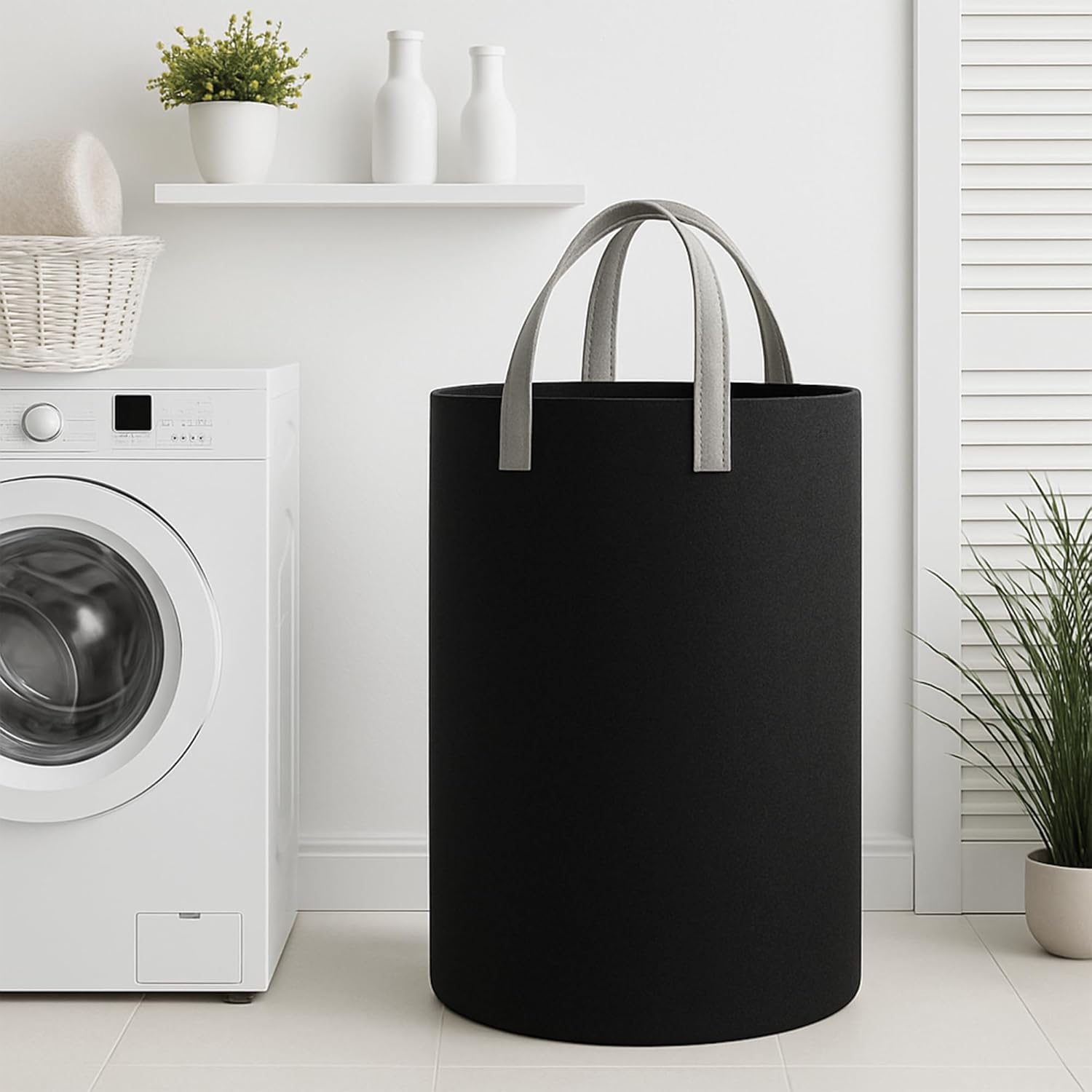
Craftlines Recycled Plastic Laundry Basket – sturdy, long-lasting
-

-
-
Rubbermaid Brilliance Storage Containers – BPA-free, made partially from recycled materials
-
3️⃣ Stainless Steel
-
Pros: Long lifespan, recyclable, avoids chemicals in plastics
-
Cons: High energy production cost, heavier than alternatives
-
Amazon Picks:

-
-
Cooks Standard Stainless Steel Canisters – sleek, durable, recyclable
-
-
-
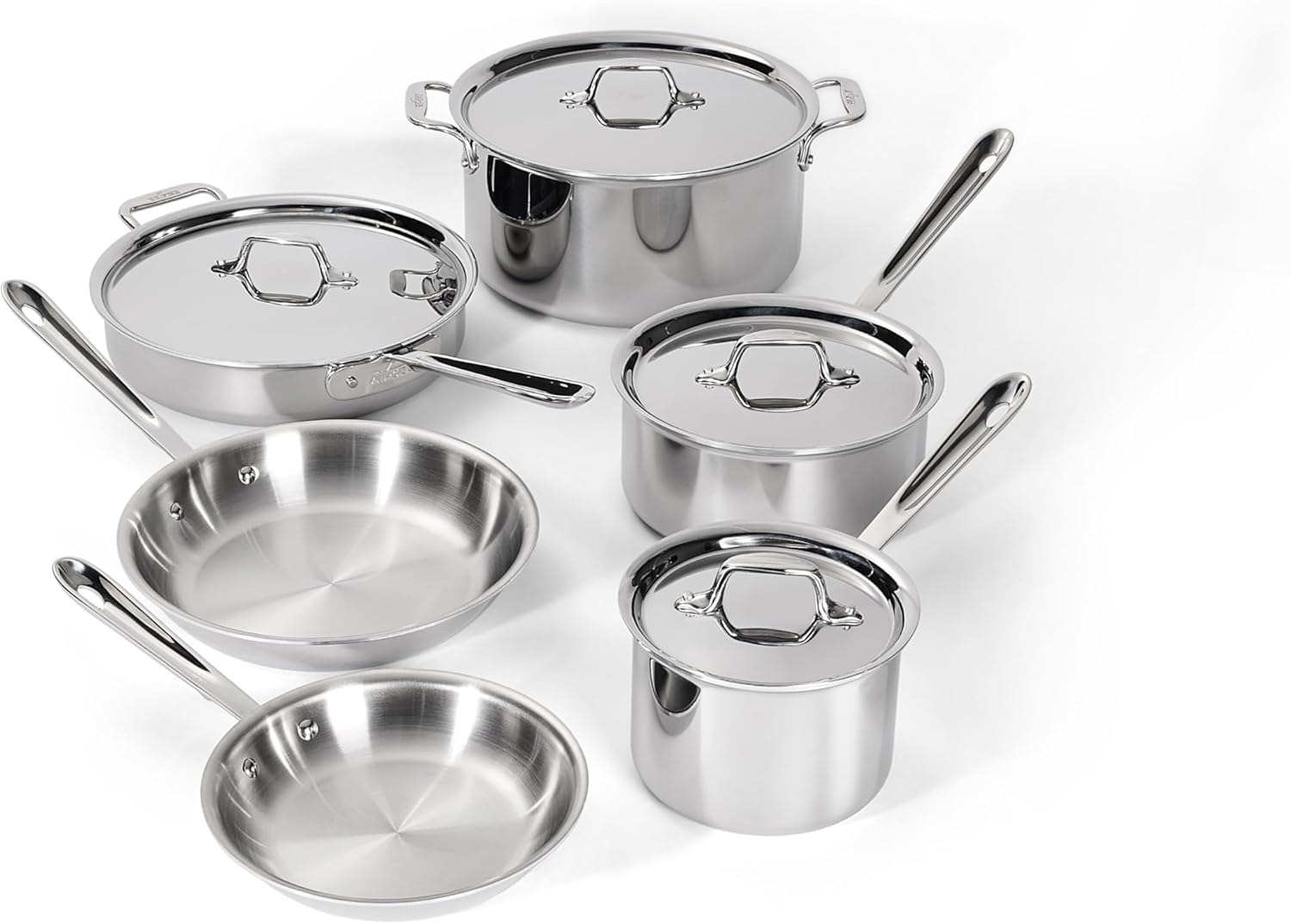
All-Clad Stainless Steel Cookware – lasts decades
-
4️⃣ Glass
-
Pros: Reusable, recyclable, non-toxic, looks elegant
-
Cons: Fragile, heavier, energy-intensive to manufacture
-
Amazon Picks:
-
-
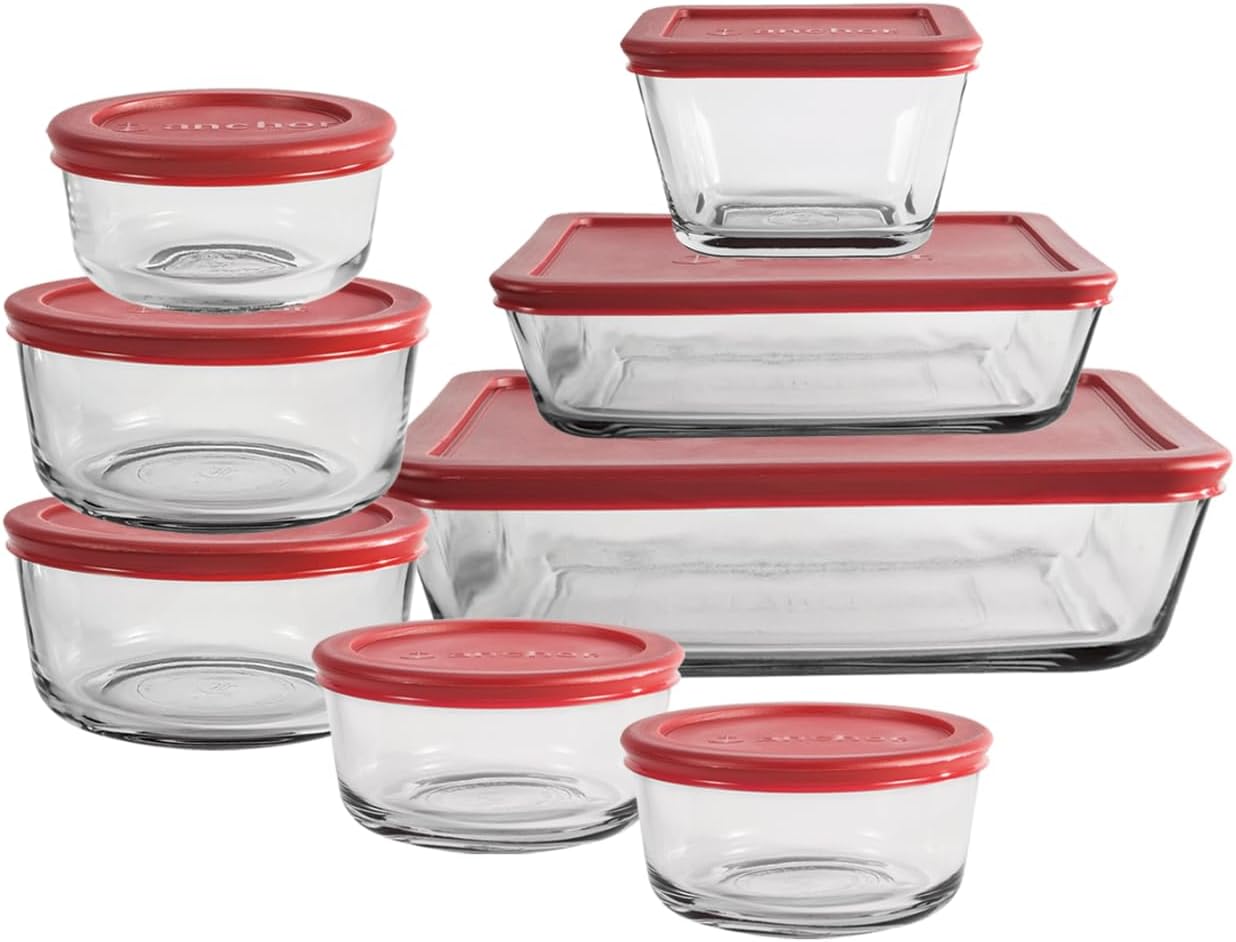
Anchor Hocking Glass Storage Set – airtight, dishwasher-safe
-

-
-
Pyrex Glass Mixing Bowls – multipurpose, recyclable
-
5️⃣ Wood (Sustainably Sourced)
-
Pros: Biodegradable, renewable if FSC-certified, naturally attractive
-
Cons: Can warp or crack without proper maintenance
-
Amazon Picks:

-
-
John Boos Maple Cutting Board – FSC-certified, long-lasting
-

-
-
Riveira Bamboo & Wood Utensils – eco-friendly, stylish
-
6️⃣ Compostable & Biodegradable Products
-
Pros: Reduce landfill waste, ideal for single-use items
-
Cons: Must be composted correctly; otherwise, benefits are lost
-
Amazon Picks:
-
-
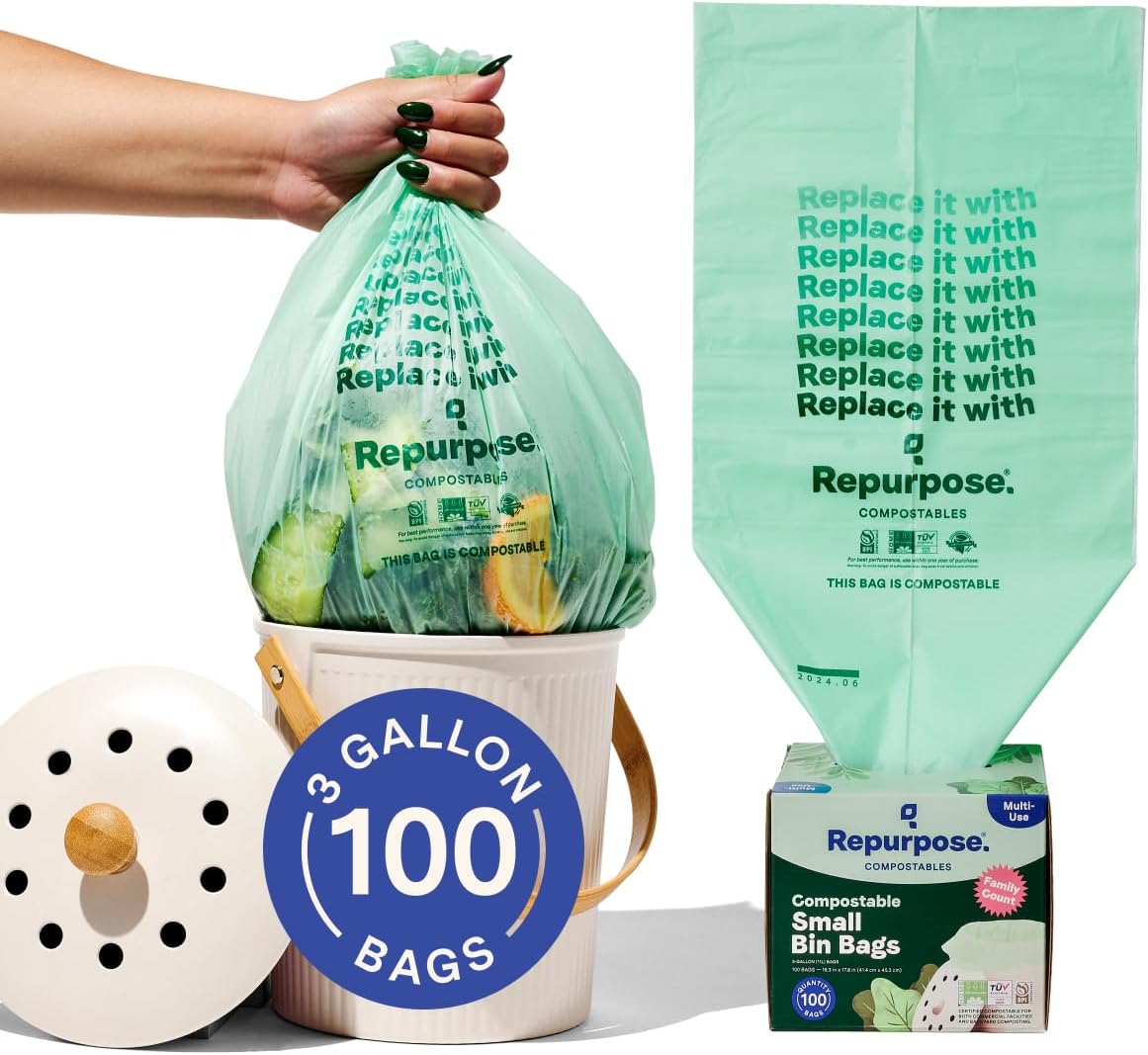
Repurpose Compostable Trash Bags – breaks down in industrial compost
-

-
-
World Centric Biodegradable Plates & Cutlery – suitable for home composting
-
🏷️ Are Eco-Friendly Housewares Actually Better?
Eco-friendly housewares have real benefits, but their impact depends on:
This leads us to an important consideration: Are eco-friendly housewares really better for the environment in all aspects of sustainability?
-
Durability: A bamboo utensil that breaks after one month isn’t better than a long-lasting stainless steel one.
-
Production Footprint: Some “green” products use adhesives, coatings, or energy-intensive processes.
-
Maintenance & Lifespan: Proper care extends life, reducing waste.
-
End-of-Life Disposal: Recycling or composting must actually happen.
Lifecycle Analysis: Bamboo vs. Plastic
-
Bamboo grows fast and is renewable, but shipping long distances increases carbon footprint.
-
Recycled plastic saves landfill space, but may have higher energy inputs.
✅ Key Insight: Choose durable, multi-use products over single-use items, even if made from renewable materials.
🍳 Eco-Friendly Kitchen Housewares
Cutting Boards
-
Bamboo: Durable, antimicrobial, stylish
-
Wood: Long-lasting, renewable if FSC-certified
-
Recycled Plastic: Dishwasher-safe, color-coded, great for meat prep
Amazon Picks:

-
Greener Chef Bamboo Cutting Board Set
-
John Boos Maple Wood Board
-
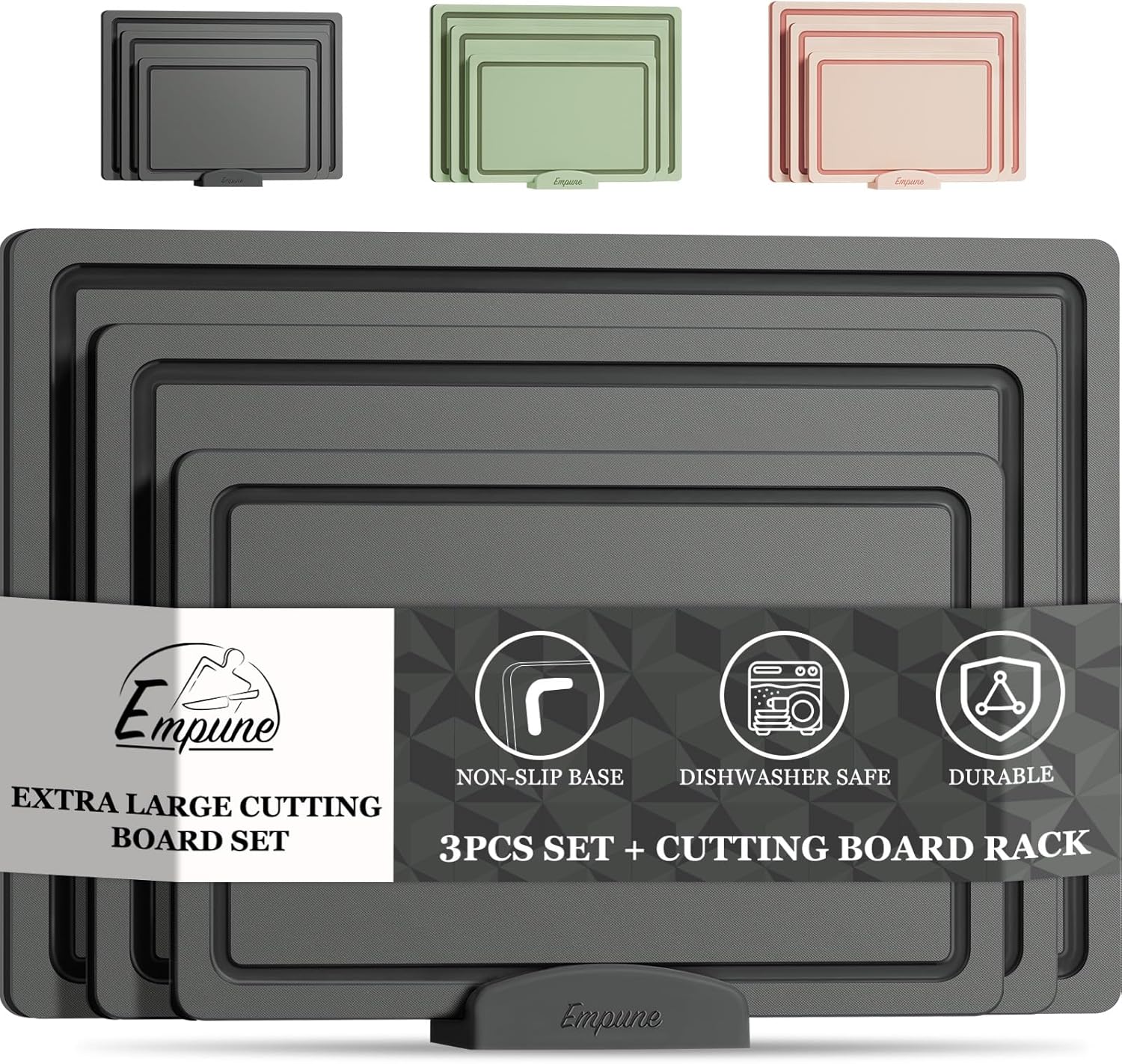
Empune Plastic Cutting Board Set
Cookware
-
Stainless Steel & Hard-Anodized: Reusable for decades
-
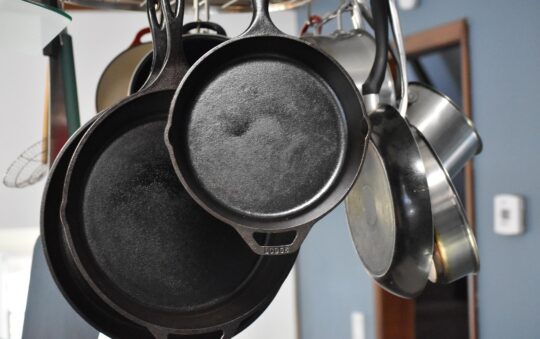
Cast Iron (Enameled or Traditional): Virtually indestructible, reduces replacement needs
-
Nonstick (Eco-Friendly Coatings): Check for PFOA-free certifications
Amazon Picks:
-
All-Clad Stainless Steel Set

-
Lodge Cast Iron Skillet

-
GreenPan Ceramic Nonstick Pan
Utensils
-
Bamboo or sustainably harvested wood
-
Stainless steel for longevity
-
Avoid short-lived plastic sets
Amazon Picks:
-
Totally Bamboo Utensils

-
Riveira Bamboo Cooking Tools
-
OXO Good Grips Stainless Steel Tools
🧹 Eco-Friendly Cleaning Tools
-
Reusable Microfiber Cloths: Washable, reduce paper towel use
-
Compostable Sponges: Biodegradable but must be replaced frequently
-
Bamboo Brushes: Natural bristles, durable, minimal plastic
Amazon Picks:

-
Amazon Basics Microfiber Cleaning Cloths

-
Full Circle Bamboo Dish Brush

-
Biodegradable Natural Kitchen Sponge
🛋️ Storage & Organization
-
Glass & Stainless Steel Containers: Durable, reusable, avoid single-use plastics
-
Bamboo or Wood Bins: Stylish and renewable
-
Recycled Plastic Bins: Lightweight, stackable, long-lasting
Amazon Picks:
-
Anchor Hocking Glass Storage Set

-
Umilife Kitchen Cabinet Organizer

-
iDesign Recycled Plastic Pantry Storage Bin
💰 Eco-Friendly vs. Traditional: Cost Considerations
-
Upfront Cost: Eco-friendly housewares may cost more
-
Longevity: Durable eco-friendly items often outlast cheaper alternatives, reducing long-term costs
-
Waste Reduction: Fewer replacements, less landfill contribution
💡 Key Insight: Buying high-quality, multi-use products is often both more eco-friendly and cost-effective.
🧴 Maintenance Tips to Maximize Sustainability
-
Clean Properly: Avoid harsh chemicals that degrade materials
-
Rotate Use: Evenly distribute wear on frequently used items
-
Repair When Possible: Tighten screws, re-oil wooden items, and re-season cast iron
-
Recycle or Compost: Dispose of worn products responsibly
-
Avoid Single-Use Substitutes: Choose reusable containers, utensils, and cleaning tools
⚠️ Common Misconceptions
-
“All bamboo is eco-friendly” – Only certified or sustainably harvested bamboo counts
-
“Plastic is always bad” – Recycled or durable plastic reduces waste
-
“Eco-friendly is less durable” – High-quality materials like stainless steel, bamboo, or glass can last decades
-
“Certifications guarantee impact” – Always read labels and reviews
🛒 Best Amazon Eco-Friendly Housewares
Kitchen

-
Greener Chef Bamboo Cutting Board Set – Durable, renewable
-
GreenPan Ceramic Nonstick Pan – PFOA-free, long-lasting
-
All-Clad Stainless Steel Set – Decades of use, recyclable
Cleaning
-
Full Circle Bamboo Dish Brush – Minimal plastic, long-lasting
-
Amazon Basics Microfiber Cloths – Reusable, washable

-
Biodegradable Natural Kitchen Sponge – Replaceable, biodegradable
Storage & Organization
-
Anchor Hocking Glass Storage Set – Reusable, elegant

-
Bamboo Drawer Organizer Dividers, Wooden Kitchen Utensil Holder – Eco-friendly, stylish
-
Sterilite Recycled Plastic Bin – Durable, stackable, partially recycled
🌱 Addressing the Question: Are Eco-Friendly Housewares Really Better for the Environment?
Ultimately, when evaluating if eco-friendly housewares are really better for the environment, it’s essential to consider their overall impact.
🏁 Final Verdict: Are Eco-Friendly Housewares Really Better?
Yes—but with nuance.
Understanding the nuances behind the question, “Are eco-friendly housewares really better for the environment?” is key to making wise choices.
Eco-friendly housewares can reduce waste, conserve resources, and minimize chemical exposure—but their benefits depend on:
-
Material quality and sourcing
-
Durability and lifespan
-
Proper use and maintenance
-
Responsible disposal
💡 Shopping Strategy:
-
Prioritize durability first – a long-lasting item is more sustainable than a short-lived “green” product
-
Check materials and certifications – bamboo, FSC wood, recycled plastic, stainless steel, glass
-
Use multi-purpose and reusable items – reduces single-use waste
To truly answer whether “Are eco-friendly housewares really better for the environment?” you need to explore various product categories.
-
Maintain properly – cleaning, rotating, and caring for your products extends lifespan
-
Dispose responsibly – recycle or compost to close the loop
By keeping the question, “Are eco-friendly housewares really better for the environment?” in mind while shopping, you can assess products more critically.
With the right choices, you can build a sustainable, functional, and stylish home, reducing environmental impact while enjoying high-quality products.
In conclusion, the inquiry “Are eco-friendly housewares really better for the environment?” drives home the importance of environmental awareness in consumer behavior.