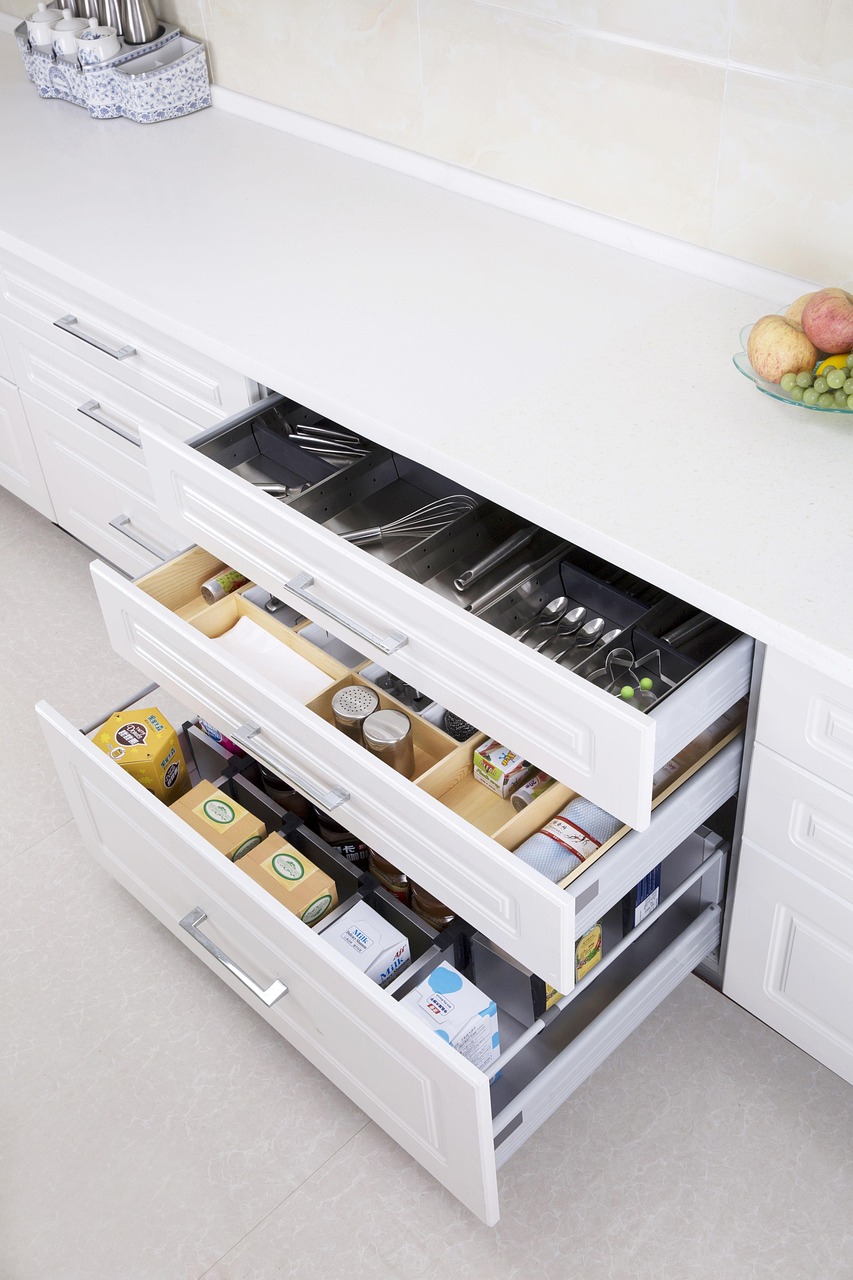
An optimized kitchen is more than an aesthetic choice—it is a functional requirement for a high-performance home. When your cabinetry becomes a “logistical bottleneck” of mismatched containers, obscured spices, and precarious cookware stacks, the friction of daily meal prep increases significantly.
This guide provides a technical audit of professional organization strategies and the high-utility Amazon hardware required to execute them. We move beyond surface-level cleaning to analyze volumetric efficiency, specialized storage architectures, and the “zoning” principles used by professional organizers to transform chaotic cabinets into streamlined, high-output workspaces.
Are you wondering How Can I Organize My Kitchen Cabinets? Let’s explore effective strategies.
1. The ROI of Cabinet Systems Engineering
Understanding How Can I Organize My Kitchen Cabinets will help you create functional spaces.
How Can I Organize My Kitchen Cabinets
Before investing in hardware, it is essential to understand the strategic benefits of a structured cabinetry system:
-
✅ Recovery of “Dark” Volume: Standard cabinets often have 30–40% unused vertical space. The right organizers unlock this hidden real estate.
-
✅ Inventory Transparency: Eliminating “buried” items reduces duplicate purchases and prevents food waste from expired goods.
-
✅ Operational Velocity: Reducing the “search and retrieve” time for lids, spices, or heavy pans streamlines the entire cooking and cleaning cycle.
Knowing How Can I Organize My Kitchen Cabinets is essential for a stress-free cooking experience.
-
✅ Cognitive Load Reduction: A “point-of-use” organizational system reduces the mental friction associated with starting a complex recipe.
In this guide, we will answer the question: How Can I Organize My Kitchen Cabinets?
2. Phase 1: The Inventory Audit (Pre-Optimization)
The most common mistake in kitchen organization is purchasing containers before auditing the inventory. To maximize the effectiveness of your new hardware, you must first execute a rigorous purge:
Understanding How Can I Organize My Kitchen Cabinets starts with a proper inventory audit.
-
The Rule of Multiples: Identify and donate duplicate gadgets (e.g., three separate vegetable peelers) that consume valuable drawer volume.
-
Structural Integrity Check: Discard warped plastic containers, cracked ceramic, or non-stick pans with compromised coatings.
-
The “One-Year” Metric: If a specialty appliance (like a bread maker or chocolate fountain) hasn’t been utilized in 12 months, move it to long-term storage or clear it out.
-
Logical Categorization: Group items by frequency of use and functional synergy (e.g., all baking supplies in one zone, all daily-use dinnerware in another).
3. High-Performance Hardware for Cabinet Architecture
Based on durability, volumetric efficiency, and user sentiment, these represent the “Gold Standard” for cabinet optimization on Amazon. These tools are selected for their ability to solve specific spatial “pain points” in the modern kitchen.
📐 Vertical Space Maximizers
-
Expandable Shelf Inserts: These create a “second floor” inside your cabinets, allowing you to stack plates or bowls without nesting them 10-deep.
-
Under-Shelf Baskets: Utilize the “dead air” beneath a shelf for lightweight items like wraps, foil, or dish towels.
Consider asking yourself, How Can I Organize My Kitchen Cabinets more efficiently? Here are some tips.
🔄 Rotational Access (The Lazy Susan Evolution)
-
Turntables with Dividers: Ideal for deep corner cabinets or high-reaching shelves. These ensure that “buried” oils, vinegars, or spices are always one rotation away from the front.
🍳 Heavy-Duty Cookware Racks
-
Vertical Lid & Pan Organizers: Instead of horizontal stacking (which leads to scratching and “Jenga” towers), vertical racks allow you to pull a single pan out without disturbing the rest of the set.
Are you primarily struggling with deep “blind” corner cabinets, or is your main challenge a lack of vertical shelving for plates and pantry items?
It’s important to know How Can I Organize My Kitchen Cabinets to suit your cooking style.
1. Pull-Out & Drawer-Style Cabinet Organizers
These turn deep cabinets into accessible storage—no more digging in the back.
Best for Deep Cabinets & Under Sink Storage

Have you ever thought about How Can I Organize My Kitchen Cabinets without spending a fortune?
simplehuman Pull-Out Cabinet Organizer
A sturdy pull-out organizer that glides smoothly and supports up to 20 lb. It’s ideal for base cabinets, under-sink areas, or pantry shelves where heavy items would otherwise be hard to reach. Its removable drip tray helps protect against leaks and spills.
Why It’s Great: Simple to install, durable steel frame, and keeps bulky items easy to access.
2. Expandable & Modular Shelf Organizers
Finding the best solution to the question, How Can I Organize My Kitchen Cabinets, is essential for a functional space.
Finding the answer to How Can I Organize My Kitchen Cabinets can enhance your kitchen’s functionality.
These maximize vertical space inside cabinets and help you see everything at once.
Versatile Shelf Expanders

SONGMICS Set of 2 Cabinet Shelf Organizers
A pair of sturdy, adjustable shelves that essentially double your cabinet storage. You can use them for dishes, spices, mugs, or storage bins.
Why It’s Great: Adjustable height fits most cabinets; affordable and durable with hundreds of high reviews.
Multi-Purpose Organizer Set

Masirs Four Piece Kitchen Cabinet Organizer Set
Includes two shelves plus under-shelf baskets and 2 pcs bamboo dish drying rack. This set is ideal if you want to expand multiple cabinets and add storage right away.
Revisiting the question: How Can I Organize My Kitchen Cabinets can lead to better storage solutions.
Why It’s Great: Gives flexibility (shelf + under-shelf storage) and can be customized for different needs.
3. Cabinet Drawer & Utensil Organizers
Have you ever asked yourself, How Can I Organize My Kitchen Cabinets? The right products can make a significant difference.
Perfect for silverware, small tools, and shared drawer space.
Remember the question, How Can I Organize My Kitchen Cabinets, as you explore solutions.
Drawer Divider Set
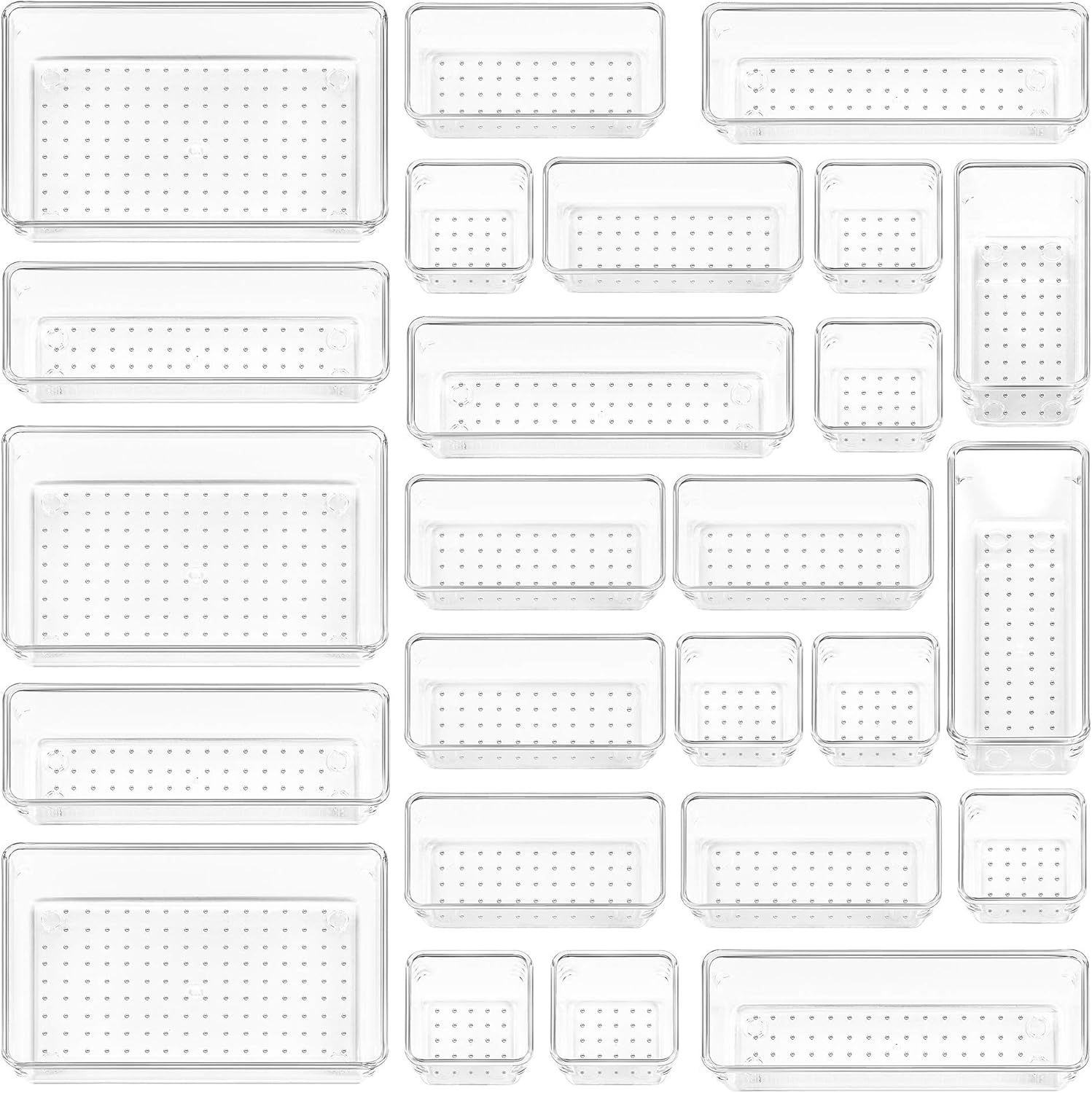
Vtopmart 25 PCS Clear Plastic Drawer Organizers Set
A variety of sizes makes it easy to organize drawers with utensils, gadgets, measuring tools, and small accessories.
Tip: Use these for shallow cabinets converted into drawers so utensils don’t jumble together.
4. Spice Storage Solutions
To answer the question, How Can I Organize My Kitchen Cabinets, consider all the spices you need to fit into your cabinets.
If you are asking yourself How Can I Organize My Kitchen Cabinets, consider these tips for spices.
Spices are one of the most neglected cabinet trouble spots. These tools help bring order.
Slide-Out Spice Rack

SpaceAid Pull-Out Spice Rack Organizer
A smooth slide-out spice solution that keeps bottles upright and easy to find. Works great in skinny cabinets or narrow gaps.
Why It’s Great: Clear labeling space and easy access without rummaging.
In-Cabinet Custom Spice Shelf

When thinking about How Can I Organize My Kitchen Cabinets, it’s essential to maximize space.
In-Cabinet Spice Organizer for Standard Jars
Perfect if you want custom spice storage inside cabinets instead of on the counter. Keeps jars visible and organized.
Why It’s Great: Affordable and effective for cabinets where space is tight.
Can & Tiered Storage

YouCopia ShelfSteps 3-Shelf Can Organizer
A tiered shelving organizer that brings cans and jars forward and into view instead of hiding them behind taller items. This is especially useful for pantry-style cabinets.
Understanding How Can I Organize My Kitchen Cabinets can help ease kitchen clutter.
5. Pots, Pans & Lid Organization
Every homeowner struggles with the question: How Can I Organize My Kitchen Cabinets to keep everything accessible?
Every organizer faces the question: How Can I Organize My Kitchen Cabinets effectively?
One of the biggest kitchen cabinet headaches is heavy cookware that’s hard to stack and painful to pull apart.
Cookware Divider

Amazon Basics Cookware and Bakeware Organizer
A simple expandable rack with dividers for pans, lids, and baking sheets. Keeps cookware vertical instead of stacked.
Why It’s Great: Budget-friendly and easy to move or reposition.
6. Specialty & Space-Maximizing Options
Addressing the issue of clutter starts with understanding, How Can I Organize My Kitchen Cabinets in a way that suits my needs?
Asking yourself How Can I Organize My Kitchen Cabinets is the first step towards a decluttered kitchen.
These products solve specific problems or help make marginal spaces count.
Under-Sink Shelf Organizer

Amazon Basics L‑shape Under Sink Storage Pull Out Cabinet Organizer
An L-shaped organizer that fits around plumbing. Great for storing cleaning supplies, extra sponges, and chemicals without creating a jumbled mess.
Why It’s Great: Designed to work around pipes.
Multi-Purpose Utility Cart

If you’re still pondering How Can I Organize My Kitchen Cabinets, here are more ideas.
Amazon Basics 3‑Tier Rolling Utility or Kitchen Cart
Not a traditional cabinet organizer, but a rolling cart can replace crowded base cabinets or act as additional accessible storage for heavy or often-used items.
Bonus Accessory: Labels & Visual Cues
In summary, always keep in mind the question, How Can I Organize My Kitchen Cabinets, as you set up your kitchen.
Labels and bins don’t solve clutter unless you know where everything goes.
Cabinet Label Set

Keeping in mind How Can I Organize My Kitchen Cabinets will guide your organization efforts.
Kitchen cabinet organizing labels set.
Use these labels on bins or shelf edges to define where items belong. Great for shared kitchens or Airbnb homes.
Why It’s Great: Improves findability and makes maintenance easier.
3. High-Performance Architecture by Cabinet Zone
These strategies answer the question, How Can I Organize My Kitchen Cabinets for efficiency?
To engineer a truly “frictionless” kitchen, you must match the storage hardware to the physical geometry of each cabinet type. Applying a universal solution rarely works; instead, use these zone-specific strategies:
🥣 The High-Frequency Dish Zone (Plates & Bowls)
-
The Strategy: Eliminate “nesting fatigue” where you have to lift five bowls to reach a plate.
-
The Hardware: Expandable Steel Shelf Risers. These create “split-level” storage, allowing you to categorize by size (e.g., salad plates on top, dinner plates below) while maintaining independent access.
-
Pro Tip: Use Non-Slip Shelf Liners to prevent ceramic “chatter” and protect both the cabinetry and your dinnerware from micro-scratches.
🍳 The Cookware Command Center (Pots & Pans)
-
The Strategy: Transition from horizontal stacking to vertical filing.
-
The Hardware: Adjustable Vertical Pan Organizers. Storing pans on their side—like folders in a filing cabinet—allows you to extract a heavy 12-inch skillet without disturbing the rest of the set.
-
The Lid Solution: Install a Door-Mounted Lid Rack to reclaim the interior volume usually lost to awkward, circular lids.
🧂 The Flavor & Spice Tier (Small Jars)
-
The Strategy: Total visual transparency for every SKU.
To optimize your kitchen, reflect on How Can I Organize My Kitchen Cabinets successfully.
-
The Hardware: Tiered “Stadium” Seating Inserts or Pull-Out Spice “Drawers.” If your cabinet is narrow, a vertical slide-out rack utilizes the full depth of the cupboard while keeping every jar accessible.
🚰 The Under-Sink Utility Zone
-
The Strategy: Navigation around plumbing and disposal units.
-
The Hardware: Expandable L-Shaped Pull-Out Racks. These are engineered to fit around the “U-joint” of your sink. Use Clear Acrylic Bins on the upper tiers for sponges and dishwasher pods to maintain a visual inventory.
4. Professional Logistics: Rules for a Lasting System
Finally, consider How Can I Organize My Kitchen Cabinets as you implement these strategies.
Before clicking “Add to Cart,” apply these three operational rules to ensure your new system doesn’t collapse under daily use:
-
✔ Execute a Volumetric Audit: Measure the Interior Clearances (width, depth, and height) of your cabinets. Account for hinges and door lips, which often snag pull-out drawers that look “perfect” on paper.
-
✔ Strategic Proximity (Zoning): Store items at their Point of Use. Coffee pods should live above the brewer; heavy cast iron should be near the range; cleaning supplies belong under the sink.
-
✔ The “Visibility First” Mandate: If you can’t see it, you don’t own it. Use Lazy Susans (Turntables) for deep corner cabinets to bring “buried” oils and vinegars to the frontline with a single rotation.
🔍 FAQ: Troubleshooting Cabinet Chaos
How do I manage deep, “blind” cabinets without expensive pull-outs? Utilize Deep Clear Storage Bins with handles. These act as “drawers” that you can slide out to access items at the very back of the cabinet without kneeling on the floor.
What is the best way to consolidate mismatched food storage lids? Dedicate one drawer or bin specifically to Universal Lid Organizers. Grouping lids by shape (round vs. square) rather than by container size is the fastest way to find a match.
Can I install these systems in a rental without drilling? Yes. Modern hardware from brands like YouCopia and SONGMICS focuses on tension-based or freestanding designs that provide “semi-permanent” stability without damaging the cabinetry.
Final Verdict: Engineering the “Chef’s Flow”
Transforming your kitchen doesn’t require a contractor; it requires a strategy. By combining purged inventory with high-density hardware—like the simplehuman Pull-Out Organizers for heavy pots or YouCopia ShelfSteps for the pantry—you eliminate the daily friction of a cluttered workspace.
The journey begins with the question, How Can I Organize My Kitchen Cabinets to perfection?
Start with your most frustrating cabinet today. Once you experience the “Zero-G” feel of a perfectly organized zone, the rest of the kitchen will naturally follow.
Are you currently more frustrated by a lack of space for heavy cookware, or is your main “bottleneck” a disorganized pantry and spice collection?




No Responses